Budgeting is the foundation of financial success. Without a clear understanding of where your money goes, it becomes difficult to save, invest, or achieve financial independence. Fortunately, budgeting apps have transformed personal finance by making it easier to track spending, set goals, and manage money efficiently. This guide reviews the key features, advantages, and limitations of modern budgeting apps and helps you decide which type is best for your needs.
Budgeting apps work by connecting to your bank accounts, credit cards, and other financial institutions. Once connected, they automatically categorize your transactions into groups such as groceries, transportation, entertainment, and housing. This automation saves time and gives users a real-time overview of their financial habits. Instead of manually tracking expenses in spreadsheets, users can rely on accurate, automatic updates.
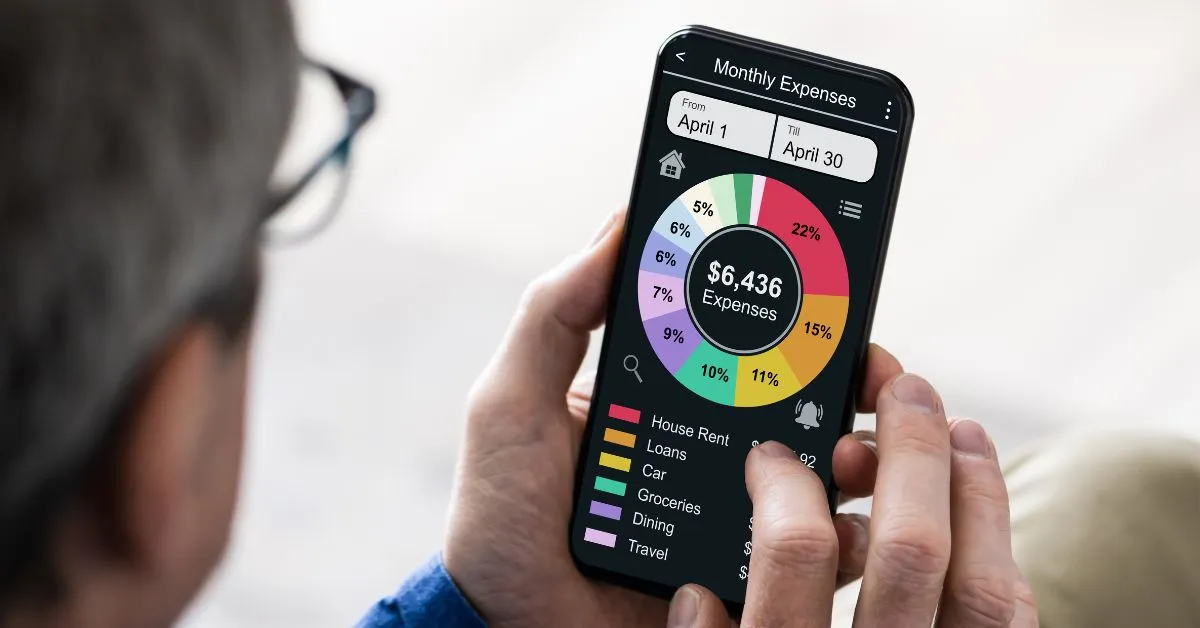
One of the biggest advantages of budgeting apps is visibility. Many people underestimate how much they spend on non-essential items. A budgeting app reveals spending patterns clearly, helping users identify areas where they can cut costs. For example, users often discover they are spending more than expected on dining out or subscription services. This awareness is the first step toward improving financial discipline.
Another important feature is goal setting. Most budgeting apps allow users to set savings goals, such as building an emergency fund, saving for a vacation, or paying off debt. The app tracks progress and motivates users by showing how close they are to achieving their goals. This visual feedback creates accountability and encourages consistent saving habits.
Budgeting apps also offer alerts and notifications. These alerts can warn users when they are approaching spending limits or when bills are due. This reduces the risk of late fees and helps users avoid overspending. Some apps even provide insights and recommendations based on spending behavior, helping users improve their financial decisions.
However, budgeting apps also have limitations. Privacy is a concern for some users, as these apps require access to financial accounts. It is important to choose apps that use strong encryption and security measures. Additionally, some advanced features require paid subscriptions, which may not be suitable for users with tight budgets.
Another limitation is that budgeting apps do not replace financial discipline. They provide tools and information, but users must still make responsible choices. An app cannot prevent impulsive spending if the user ignores its recommendations.
When reviewing budgeting apps, it is important to consider usability. The best apps have clean interfaces, simple navigation, and clear visual reports. Complex or confusing apps can discourage consistent use. Compatibility with multiple financial institutions is also essential, especially for users with multiple accounts.
In conclusion, budgeting apps are powerful tools for improving financial awareness and control. They simplify expense tracking, support goal setting, and help users develop healthier financial habits. While they are not a complete solution on their own, they provide valuable support for anyone seeking financial stability. Choosing the right budgeting app depends on your personal needs, comfort with technology, and financial goals.