Inflation is a fundamental economic force that affects purchasing power, business costs, wages, savings, and investment decisions. While moderate inflation is considered normal in growing economies, high or unpredictable inflation can create financial instability for both consumers and businesses. Understanding how inflation works—and how it influences financial behavior—is essential for making informed economic decisions.
What Is Inflation?
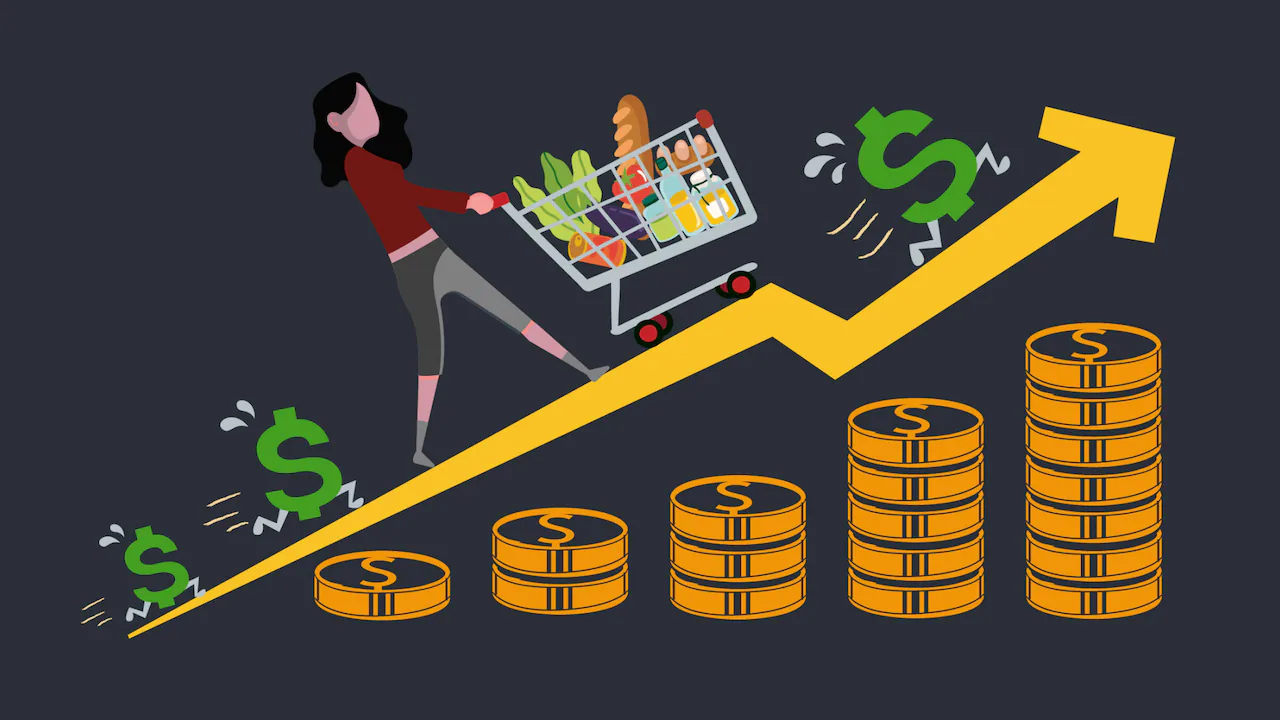
Inflation refers to the general increase in prices of goods and services over time, which reduces the purchasing power of money. When inflation rises, each unit of currency buys fewer goods and services than before.
In many countries, inflation is measured using consumer price indexes such as the Consumer Price Index in the United States. Central banks, including the Federal Reserve, monitor inflation closely and adjust monetary policy to maintain price stability.
Causes of Inflation
Inflation can arise from several sources:
1. Demand-Pull Inflation
Occurs when consumer demand exceeds supply, pushing prices higher.
2. Cost-Push Inflation
Happens when production costs—such as wages, raw materials, or energy—increase, forcing businesses to raise prices.
3. Monetary Expansion
When the money supply grows faster than economic output, excess liquidity can contribute to rising prices.
Often, inflation results from a combination of these factors.
Impact of Inflation on Consumers
1. Reduced Purchasing Power
The most immediate effect of inflation is diminished purchasing power. If wages do not rise at the same pace as prices, households experience a decline in real income.
This can affect:
- Grocery and utility expenses
- Housing costs
- Transportation
- Healthcare
Over time, sustained inflation can erode living standards.
2. Higher Borrowing Costs
To combat inflation, central banks may raise interest rates. Higher rates increase the cost of:
- Mortgages
- Auto loans
- Credit cards
- Personal loans
This reduces consumer spending and can slow economic growth.
3. Impact on Savings
Inflation reduces the real value of savings if returns do not exceed the inflation rate. For example, money held in low-interest savings accounts may lose purchasing power over time.
Consumers may respond by shifting assets into investments that historically outpace inflation, such as stocks, real estate, or inflation-protected securities.
4. Behavioral Changes
During inflationary periods, consumers may:
- Accelerate purchases before prices rise further
- Reduce discretionary spending
- Seek discounts and substitute goods
- Increase reliance on credit
These changes can reshape consumption patterns across industries.
Impact of Inflation on Businesses
1. Rising Operating Costs
Businesses often face increased costs for:
- Raw materials
- Labor
- Transportation
- Energy
If companies cannot pass these costs onto consumers through higher prices, profit margins shrink.
2. Pricing Challenges
Setting prices becomes more complex during inflation. Businesses must balance:
- Maintaining competitiveness
- Protecting profit margins
- Preserving customer loyalty
Frequent price increases may damage brand perception, while failing to adjust prices may reduce profitability.
3. Wage Pressures
Employees typically demand higher wages to maintain purchasing power. While wage increases support workers, they also raise payroll expenses, contributing to cost pressures for employers.
4. Uncertainty and Planning Difficulties
Inflation introduces volatility into forecasting and financial planning. Uncertain cost structures make it harder for businesses to:
- Plan long-term investments
- Set budgets
- Negotiate long-term contracts
This uncertainty can delay expansion or capital expenditures.
Positive Effects of Moderate Inflation
Not all inflation is harmful. Moderate and predictable inflation can:
- Encourage spending and investment rather than hoarding cash
- Reduce the real burden of fixed-rate debt
- Support economic growth
- Provide flexibility in wage adjustments
Most central banks aim for low but positive inflation to maintain economic stability.
Strategies to Manage Inflation Risk
For Consumers:
- Invest in assets that historically outpace inflation
- Negotiate wages when possible
- Refinance high-interest debt strategically
- Maintain diversified income sources
For Businesses:
- Implement dynamic pricing strategies
- Lock in long-term supplier contracts
- Improve operational efficiency
- Maintain strong cash flow management
- Hedge commodity exposure when appropriate
Proactive adaptation can mitigate inflation’s negative effects.
Conclusion
Inflation is a powerful economic force that shapes financial outcomes for both consumers and businesses. While moderate inflation supports economic activity, high or unpredictable inflation reduces purchasing power, increases costs, and creates uncertainty.
By understanding inflation’s causes and consequences, individuals can protect their savings and purchasing power, while businesses can adjust pricing, cost structures, and strategic planning to maintain resilience. In an evolving economic environment, awareness and adaptability are key to navigating inflation successfully.