Digital transformation has become one of the most powerful forces reshaping the global economy in the 21st century. Businesses, governments, and financial institutions are increasingly integrating digital technologies into operations, decision-making processes, and customer interactions. This transformation extends far beyond adopting new software—it represents a structural shift in how markets function, how value is created, and how global competition evolves.
As digital technologies continue to advance, their influence on global markets affects productivity, international trade, investment flows, labor dynamics, and economic growth patterns across both developed and emerging economies.
Understanding Digital Transformation
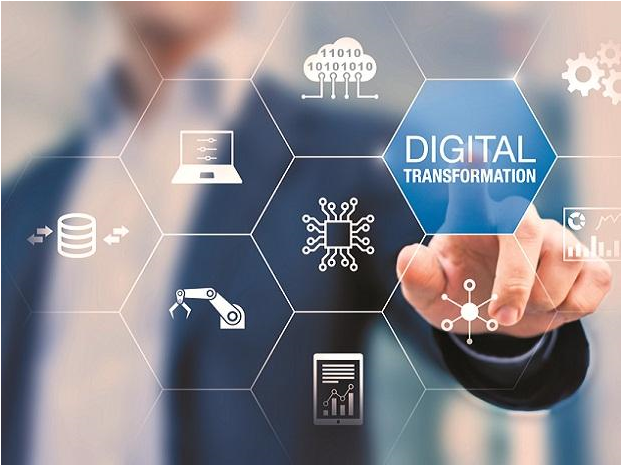
Digital transformation refers to the integration of digital technologies such as cloud computing, artificial intelligence, big data analytics, automation, blockchain, and mobile connectivity into business models and economic systems. Organizations use these technologies to improve efficiency, enhance customer experiences, and create innovative products and services.
Unlike traditional technological upgrades, digital transformation fundamentally changes how companies operate. Data-driven decision-making replaces intuition-based management, and real-time analytics allow organizations to respond quickly to market changes.
This shift has accelerated globalization by reducing operational barriers and enabling companies of all sizes to participate in international markets.
Expansion of Global Market Access
One of the most significant impacts of digital transformation is the expansion of market access. Digital platforms allow businesses to reach global customers without requiring physical presence in multiple countries.
E-commerce marketplaces, digital payment systems, and online service platforms have enabled small and medium-sized enterprises to compete internationally alongside large multinational corporations. Entrepreneurs can now sell products, deliver digital services, or manage remote teams across borders with relatively low infrastructure costs.
This accessibility has increased competition while also encouraging innovation and specialization within global industries.
The Rise of Data-Driven Economies
Data has become a critical economic resource in modern markets. Companies collect and analyze massive amounts of information related to consumer behavior, supply chains, pricing trends, and operational performance.
Data analytics enables businesses to forecast demand more accurately, optimize logistics, and personalize customer experiences. As a result, companies that effectively leverage data often gain competitive advantages through efficiency and strategic insight.
Financial markets have also been transformed by data technologies. Algorithmic trading, predictive analytics, and automated investment systems now influence market liquidity and pricing dynamics on a global scale.
Impact on Financial Markets and Investment
Digital transformation has significantly altered how capital moves across global markets. Financial technology, commonly known as fintech, has introduced digital banking, mobile payments, crowdfunding platforms, and decentralized financial systems.
Investors now access international markets through online trading platforms, allowing faster capital allocation and broader diversification opportunities. Real-time financial information improves transparency while reducing transaction costs.
At the same time, technological innovation has created new investment sectors, including artificial intelligence companies, cybersecurity firms, renewable technology providers, and digital infrastructure businesses. These industries attract substantial global investment and contribute to shifting economic leadership among nations.
Supply Chain Innovation and Global Trade
Digital technologies have modernized global supply chains, improving efficiency and resilience. Automation, Internet of Things (IoT) devices, and advanced logistics software allow companies to monitor production and transportation processes in real time.
Smart supply chains reduce delays, minimize waste, and improve inventory management. Businesses can quickly adapt to disruptions caused by geopolitical tensions, natural disasters, or demand fluctuations.
Digital tracking systems also enhance transparency in international trade, helping companies comply with regulations while improving operational coordination between suppliers and distributors worldwide.
Workforce Transformation and Labor Markets
Digital transformation is reshaping global labor markets by changing the types of skills required in modern economies. Automation and artificial intelligence increasingly handle repetitive or routine tasks, while demand grows for digital, analytical, and technological expertise.
Remote work technologies have expanded global talent markets, allowing companies to hire professionals from different countries without geographic limitations. This shift increases employment opportunities while intensifying competition among workers worldwide.
However, digital transformation also creates challenges. Workers in traditional industries may face job displacement, requiring governments and organizations to invest in education, reskilling programs, and workforce adaptation strategies.
Innovation and Competitive Advantage
Innovation cycles have accelerated significantly due to digital transformation. Companies can develop, test, and launch products faster using digital tools, cloud infrastructure, and collaborative platforms.
Startups benefit particularly from digital ecosystems because they can scale rapidly without heavy capital investment. As a result, innovation is no longer limited to large corporations, leading to more dynamic and competitive global markets.
Countries that invest heavily in digital infrastructure, research, and technological education often gain economic advantages, attracting international businesses and investment capital.
Risks and Challenges of Digital Transformation
Despite its benefits, digital transformation introduces new risks affecting global markets. Cybersecurity threats have become a major concern as financial systems, businesses, and governments rely increasingly on interconnected digital networks.
Data privacy regulations vary between countries, creating regulatory complexity for multinational companies operating across jurisdictions. Additionally, technological concentration among a small number of large digital platforms raises concerns about market dominance and competition fairness.
Digital inequality also remains a challenge. Regions lacking reliable internet infrastructure or technological investment may struggle to participate fully in the digital economy, potentially widening global economic gaps.
The Role of Governments and Regulation
Governments play a critical role in guiding digital transformation through policy development, infrastructure investment, and regulatory frameworks. Effective regulation must balance innovation with consumer protection, cybersecurity, and fair competition.
Many countries are investing in digital infrastructure, smart cities, and national technology strategies to remain competitive in the evolving global economy. International cooperation is increasingly necessary to address cross-border digital trade, taxation, and data governance issues.
Policies supporting education and digital literacy are equally important to ensure inclusive economic participation.
The Future of Global Markets in a Digital Era
Looking ahead, digital transformation is expected to deepen its influence on global markets. Emerging technologies such as artificial intelligence, quantum computing, advanced robotics, and decentralized finance may redefine entire industries.
Businesses that successfully adapt to technological change will likely lead future economic growth, while those resistant to digital integration may struggle to remain competitive.
Global markets will continue becoming faster, more interconnected, and increasingly driven by innovation and information exchange.
Conclusion
Digital transformation is fundamentally reshaping global markets by expanding access, accelerating innovation, improving efficiency, and redefining competition. From financial systems and supply chains to labor markets and international trade, digital technologies influence nearly every aspect of modern economic activity.
While challenges related to regulation, cybersecurity, and inequality remain, the overall impact of digital transformation continues to drive economic modernization and global integration. Organizations, investors, and governments that embrace digital evolution strategically will be better positioned to succeed in an increasingly technology-driven global economy.