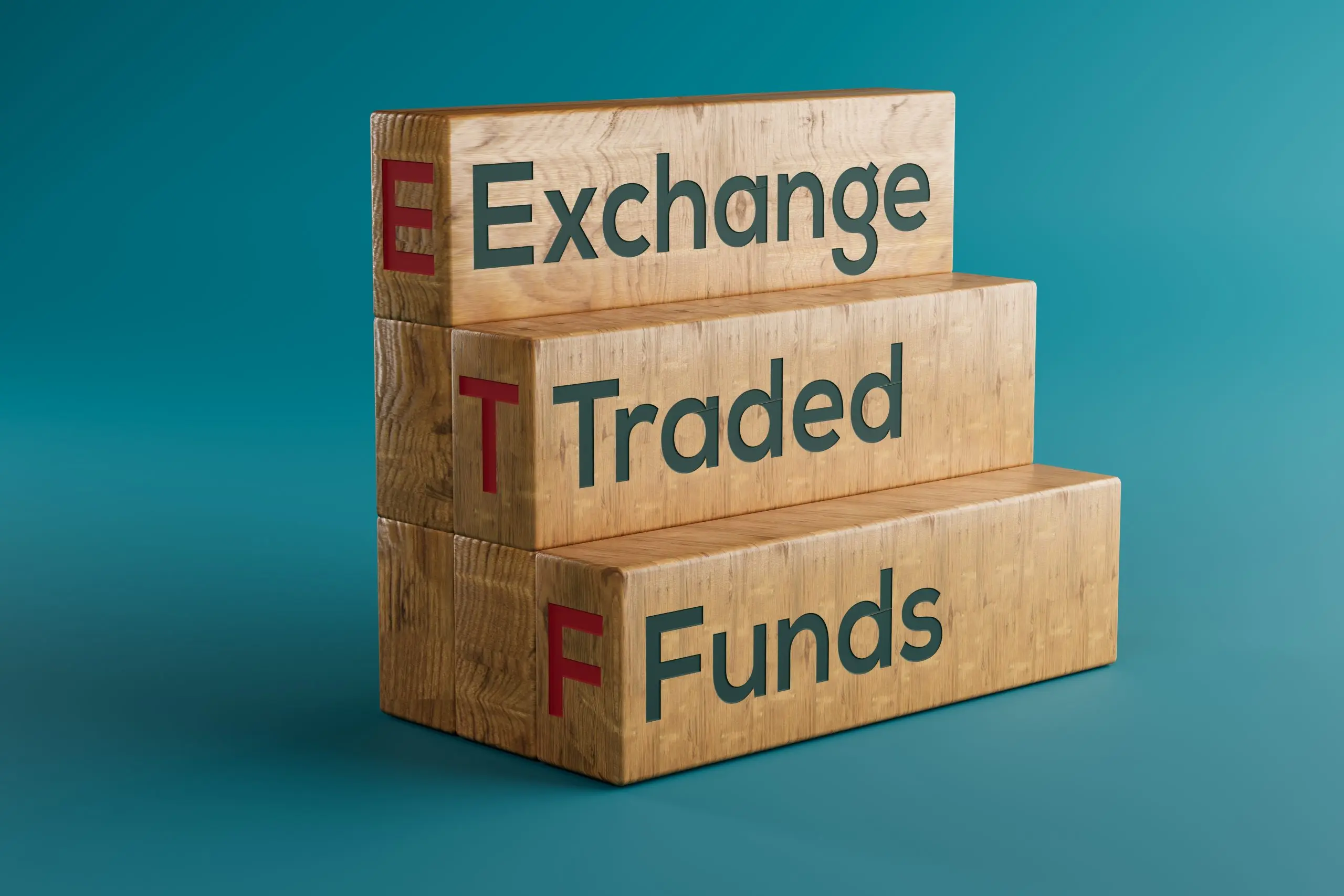
Exchange-Traded Funds, commonly known as ETFs, have become one of the most popular investment vehicles in modern financial markets. Over the past two decades, both beginner and experienced investors have increasingly turned to ETFs as an efficient way to build diversified portfolios while maintaining flexibility and relatively low costs. By combining features of mutual funds and individual stocks, ETFs offer a practical solution for investors seeking broad market exposure without the complexity of selecting numerous individual assets.
An ETF is an investment fund that holds a collection of assets such as stocks, bonds, commodities, or other securities. Instead of purchasing each asset individually, investors can buy shares of a single ETF that represents an entire market index, industry sector, or investment strategy. ETFs are traded on stock exchanges throughout the day, just like regular stocks, allowing investors to buy and sell shares at market prices during trading hours.
One of the main advantages of ETFs is diversification. Diversification refers to spreading investments across multiple assets to reduce risk. When investors buy shares of an ETF that tracks a large index, such as a broad stock market benchmark, they instantly gain exposure to dozens, hundreds, or even thousands of companies. This reduces the impact that poor performance from a single company can have on an overall portfolio. For many investors, ETFs provide a simple and efficient way to achieve diversification without requiring extensive research or large amounts of capital.
Cost efficiency is another major reason ETFs have gained widespread popularity. Traditional actively managed mutual funds often charge higher management fees because professional managers actively select and trade securities in an attempt to outperform the market. In contrast, many ETFs follow a passive investment strategy, tracking an index rather than attempting to beat it. Because passive management requires fewer resources, ETFs generally have lower expense ratios, allowing investors to keep more of their returns over time.
Liquidity is also a key feature that distinguishes ETFs from some other investment funds. Since ETFs trade on exchanges, investors can execute transactions at any time during market hours. This flexibility allows investors to respond quickly to market changes, manage risk more effectively, and implement various trading strategies if desired. Additionally, the transparency of ETFs enables investors to see the underlying holdings of many funds on a daily basis, providing clarity about where their money is invested.
ETFs come in many different types, making them suitable for a wide range of financial goals and risk profiles. Equity ETFs focus on stocks and may track entire markets, specific regions, or individual sectors such as technology, healthcare, or energy. Bond ETFs invest in fixed-income securities, offering exposure to government or corporate debt markets. Commodity ETFs allow investors to gain access to assets like gold, oil, or agricultural products without directly purchasing physical commodities. There are also thematic ETFs that focus on trends such as clean energy, artificial intelligence, or emerging technologies.
Another important benefit of ETFs is accessibility. Investors can typically start investing in ETFs with relatively small amounts of money, making them attractive to individuals who are new to investing. Many brokerage platforms offer fractional shares, allowing investors to purchase portions of ETF shares and gradually build diversified portfolios. This accessibility has contributed significantly to the democratization of investing, enabling more people to participate in financial markets.
Tax efficiency is often considered an additional advantage of ETFs, particularly in certain markets. Due to their structure, ETFs generally experience fewer taxable events compared to actively managed funds. Lower portfolio turnover means fewer capital gains distributions passed on to investors. While tax rules vary by country, this structural efficiency can help investors minimize tax liabilities and improve after-tax returns over the long term.
Despite their many advantages, ETFs are not completely risk-free. Like any market-based investment, ETF values fluctuate depending on economic conditions, interest rates, and market sentiment. A broad market ETF may decline during economic downturns, even though diversification reduces company-specific risk. Investors should also understand that some specialized ETFs, such as leveraged or inverse ETFs, carry higher risk and are typically designed for short-term trading rather than long-term investment strategies.
Choosing the right ETF requires careful evaluation. Investors should consider factors such as the fund’s expense ratio, tracking accuracy, trading volume, and underlying index methodology. Understanding what an ETF actually holds is essential, as funds with similar names may follow different strategies or levels of risk. Long-term investors often prioritize broad, low-cost ETFs that align with their investment objectives and time horizons.
ETFs are particularly effective when used within a disciplined investment strategy. Many financial advisors recommend combining ETFs across asset classes to create balanced portfolios that match individual risk tolerance and financial goals. For example, a diversified portfolio might include stock ETFs for growth, bond ETFs for stability, and international ETFs for global exposure. Regular contributions and long-term holding periods can further enhance the benefits of ETF investing through compounding returns.
The growth of ETFs has also transformed global financial markets by increasing efficiency and accessibility. Institutional investors, retirement funds, and individual investors alike use ETFs for asset allocation, portfolio rebalancing, and risk management. As financial innovation continues, new ETFs are being introduced to track evolving industries and investment themes, expanding opportunities for investors worldwide.
In conclusion, Exchange-Traded Funds represent a smart and flexible way to invest broadly across markets and asset classes. Their combination of diversification, low costs, liquidity, and accessibility makes them an attractive option for both new and experienced investors. While understanding risks and selecting appropriate funds remains important, ETFs provide a powerful tool for building long-term wealth and participating efficiently in global financial markets.