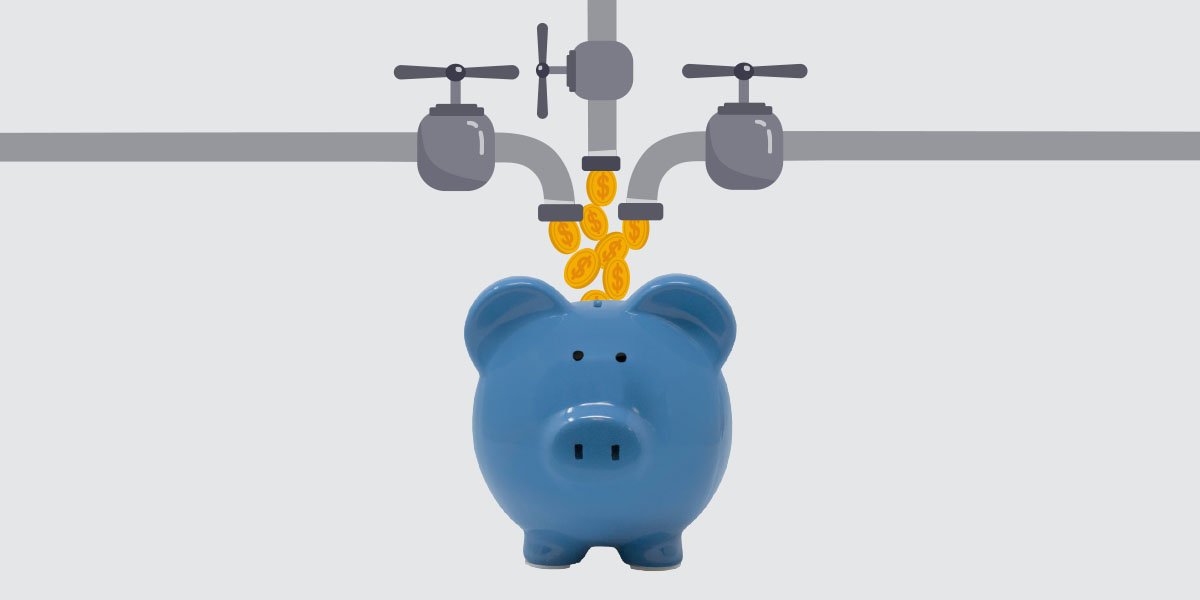
In today’s rapidly changing economic environment, relying on a single source of income has become increasingly risky. Job market uncertainty, economic downturns, technological disruption, and unexpected life events can quickly affect financial stability. For this reason, many financial experts emphasize the importance of developing multiple income streams as a strategy for long-term financial security and wealth creation.
Income diversification is not only for entrepreneurs or wealthy investors. Individuals at almost any income level can gradually build additional revenue sources that strengthen financial resilience and expand future opportunities.
Understanding Multiple Income Streams
Multiple income streams refer to earning money from different sources rather than depending solely on one paycheck or business activity. These income sources may vary in effort, risk level, and time commitment.
Income is commonly divided into three main categories:
Active Income:
Money earned through direct work or services, such as salaries, wages, freelancing, or consulting.
Passive Income:
Earnings generated with minimal ongoing effort after initial setup, including investments, rental income, dividends, or digital products.
Portfolio Income:
Income produced by financial assets such as stocks, bonds, exchange-traded funds, or other investments that generate returns over time.
A balanced financial strategy often combines elements from all three categories.
Why Income Diversification Is Important
Financial Security and Risk Reduction
Depending on one income source creates vulnerability. Job loss, industry changes, or business slowdowns can immediately disrupt financial stability. Multiple income streams reduce this risk because if one source declines, others may continue generating cash flow.
Diversification works similarly to investment diversification—spreading risk across different areas improves overall stability.
Greater Financial Flexibility
Additional income streams provide flexibility in managing expenses, saving for goals, or handling emergencies. Extra earnings can accelerate debt repayment, increase investment contributions, or fund major life objectives such as education or homeownership.
Financial flexibility also reduces dependence on short-term borrowing during unexpected situations.
Faster Wealth Building
Income diversification increases the total amount of money available for saving and investing. When additional earnings are reinvested rather than spent, wealth accumulation can accelerate significantly through compounding returns.
Over time, even small secondary income sources can grow into substantial financial contributors.
Common Types of Additional Income Streams
There are many ways individuals can diversify income depending on skills, interests, and available resources.
Freelancing and Side Services
Offering professional skills outside primary employment is one of the most accessible ways to create additional income. Writing, graphic design, programming, tutoring, consulting, and digital marketing services are common examples.
Technology platforms have made it easier than ever to connect with clients globally.
Investment Income
Investments represent one of the most scalable income sources. Dividend-paying stocks, bonds, real estate investment funds, and diversified portfolios can generate ongoing returns without daily involvement.
Although investment income often requires initial capital, consistent contributions over time can build meaningful passive cash flow.
Digital Products and Online Businesses
Digital assets such as online courses, e-books, templates, or subscription-based content allow individuals to monetize knowledge and expertise. After creation, these products can continue generating revenue with relatively low maintenance.
E-commerce stores and content-based platforms also offer opportunities for long-term income expansion.
Rental and Asset-Based Income
Owning income-producing assets can create recurring revenue streams. Examples include property rentals, equipment leasing, or sharing economy services.
While these opportunities may require upfront investment, they can provide stable cash flow when managed effectively.
The Role of Skill Development
Building multiple income streams often begins with skill development. Individuals who continuously improve professional and technical abilities increase their ability to monetize expertise in different markets.
Learning digital skills, financial literacy, communication abilities, or entrepreneurial knowledge expands earning potential and adaptability in evolving economies.
Investing in personal development frequently produces long-term financial returns.
Managing Time and Avoiding Burnout
One challenge of income diversification is balancing additional activities with existing responsibilities. Attempting to build too many income streams simultaneously can lead to stress or reduced performance.
A practical approach involves starting with one manageable secondary income source and expanding gradually. Automation, outsourcing, and efficient systems can eventually reduce time demands while maintaining income generation.
The goal is sustainable diversification rather than constant overwork.
Financial Planning and Income Allocation
Additional income becomes most powerful when managed strategically. Instead of immediately increasing lifestyle spending, many successful individuals allocate secondary income toward long-term financial goals.
Common allocation strategies include:
- Building emergency savings
- Investing for retirement
- Paying down high-interest debt
- Funding business growth
- Creating passive income assets
This disciplined approach transforms temporary side income into lasting wealth.
Challenges and Risks to Consider
Although income diversification offers many advantages, it also presents challenges.
Some income streams may require upfront investment, involve market risk, or take time before producing results. Not every opportunity guarantees profitability, and careful evaluation is necessary before committing resources.
Legal obligations, taxes, and financial reporting responsibilities may also increase as income sources expand. Proper planning and recordkeeping help manage these complexities.
Technology and the Growth of Income Opportunities
Digital technology has dramatically expanded access to income diversification opportunities. Remote work platforms, online marketplaces, investment apps, and automation tools allow individuals to generate revenue beyond geographic limitations.
As global connectivity increases, individuals can participate in international markets, sell digital services, or invest across asset classes more easily than ever before.
This technological shift has made diversified income strategies increasingly practical for ordinary workers and professionals.
Long-Term Financial Independence
Ultimately, multiple income streams contribute to financial independence—the ability to maintain financial stability without relying entirely on a single employer or income source.
Over time, diversified earnings can replace active income dependence, providing greater freedom in career choices, lifestyle decisions, and retirement planning.
Financial independence rarely happens quickly, but consistent diversification efforts create momentum toward long-term security.
Conclusion
Building multiple income streams is a powerful strategy for reducing financial risk, increasing flexibility, and accelerating wealth creation. By combining active earnings, investments, and scalable income opportunities, individuals can strengthen their financial foundation in an unpredictable economic landscape.