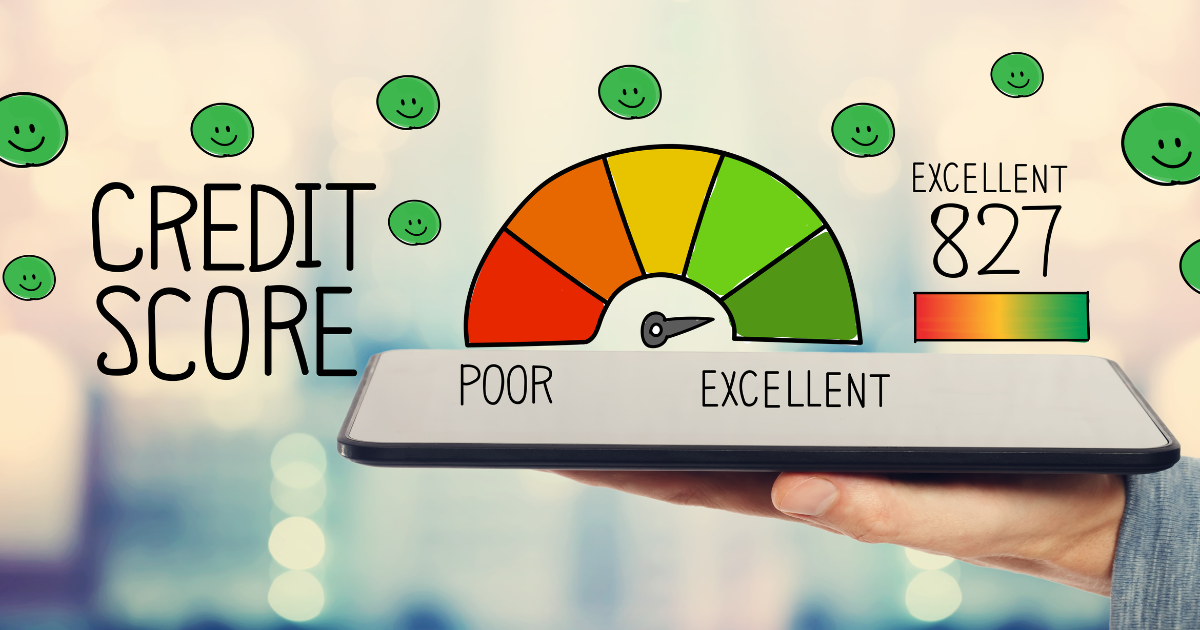
A credit score is one of the most important financial indicators in modern life. It represents a numerical summary of a person’s creditworthiness, helping lenders determine the likelihood that a borrower will repay borrowed money responsibly. Credit scores affect many aspects of financial life, including loan approvals, interest rates, housing opportunities, and even employment in some industries.
A credit score is calculated based on information from your credit report. This report contains your borrowing and repayment history, including credit cards, loans, payment behavior, balances, and account age. The most common credit score range is between 300 and 850. Higher scores indicate lower risk to lenders, while lower scores suggest higher risk.
Several key factors determine your credit score. The most important factor is payment history, which accounts for approximately 35% of the score. Paying bills on time consistently improves your score, while missed or late payments can significantly lower it. Even a single missed payment can have a negative impact that lasts for years.
Another major factor is credit utilization, which measures how much of your available credit you are using. This typically represents about 30% of your score. For example, if you have a credit card limit of $10,000 and use $3,000, your utilization rate is 30%. Experts recommend keeping utilization below 30%, and ideally below 10%, to maintain a strong credit score.
The length of your credit history also plays an important role. Older accounts demonstrate experience with managing credit, which lenders view positively. Closing old accounts can sometimes reduce your score because it shortens your credit history.
Credit mix is another factor, referring to the variety of credit types you use. Having a combination of credit cards, personal loans, and installment loans can improve your score because it shows you can manage different types of credit responsibly.
Finally, new credit inquiries can impact your score. Applying for multiple loans or credit cards in a short time may signal financial stress, which can lower your score temporarily.
A good credit score provides many advantages. You can qualify for loans more easily, receive lower interest rates, and save thousands of dollars over time. For example, a person with an excellent credit score may receive a mortgage rate significantly lower than someone with a poor score, resulting in major long‑term savings.
A poor credit score, on the other hand, can limit financial opportunities. Lenders may deny loan applications or offer higher interest rates. This makes borrowing more expensive and can create financial challenges.
Improving your credit score requires consistent responsible behavior. Paying bills on time, keeping balances low, and avoiding unnecessary credit applications are key strategies. Over time, these habits build a positive credit history.
Understanding your credit score empowers you to make better financial decisions. It allows you to take control of your financial future, qualify for better opportunities, and reduce the cost of borrowing. Monitoring your credit regularly ensures accuracy and helps you identify areas for improvement.
In summary, your credit score is a powerful financial tool. It reflects your reliability as a borrower and influences your ability to access credit. By managing credit responsibly, you can build a strong score and achieve greater financial stability.