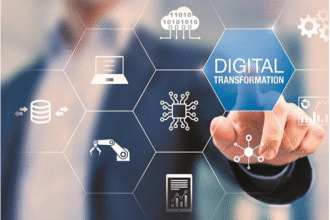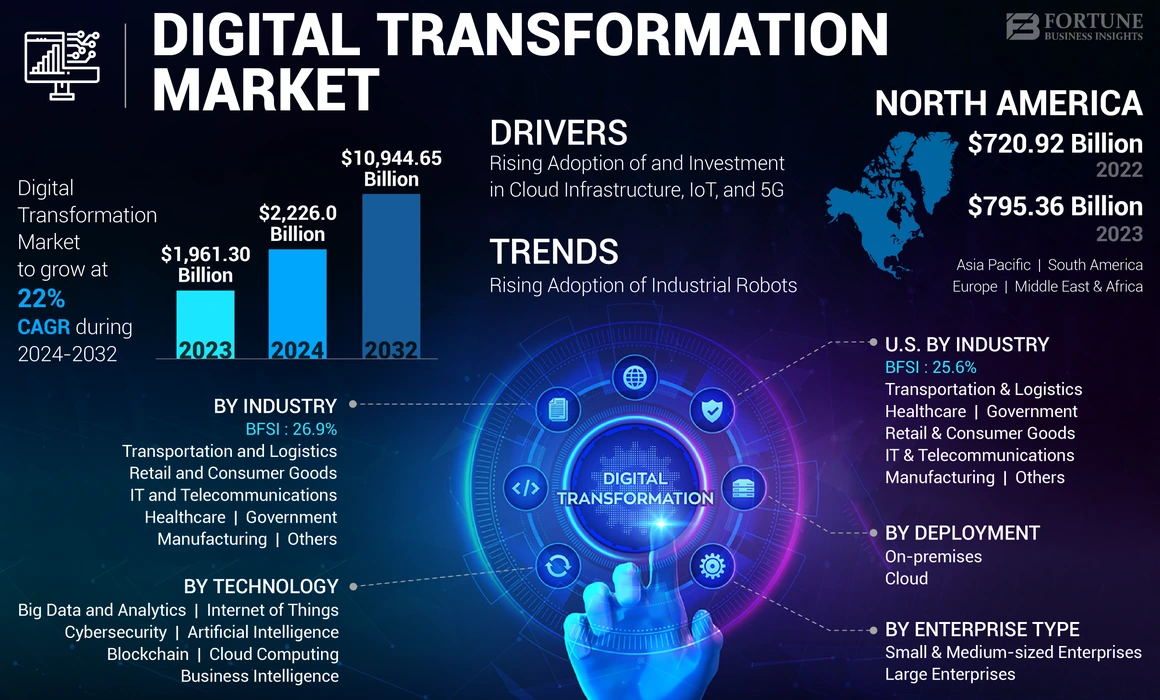
Digital transformation is changing the global economy and financial markets. Advances in technology such as artificial intelligence, cloud computing, blockchain, and automation are reshaping how businesses operate and how markets function. These changes are improving efficiency, creating new opportunities, and transforming entire industries. Understanding digital transformation is essential for analyzing modern economic and market trends.
The Rise of the Digital Economy
The digital economy includes all economic activities that use digital technologies. Online platforms, e-commerce, digital payments, and cloud services have become essential parts of daily life. Businesses can now reach customers globally through digital channels.
E-commerce has experienced rapid growth. Consumers increasingly prefer online shopping because it offers convenience, competitive prices, and fast delivery. This shift has forced traditional businesses to adapt or risk losing market share.
Digital payments are also expanding. Mobile wallets, online banking, and contactless payments make transactions faster and more secure. This reduces the need for physical cash and improves financial efficiency.
Impact on Businesses
Digital transformation allows businesses to operate more efficiently. Automation reduces the need for manual labor and increases productivity. Artificial intelligence helps companies analyze data, predict trends, and improve decision-making.
Cloud computing allows businesses to store and access data from anywhere. This improves flexibility and reduces infrastructure costs. Companies can scale operations more easily and respond quickly to market changes.
Digital transformation also increases competition. Small businesses can compete globally using online platforms. This creates more opportunities but also increases pressure on companies to innovate.
Changes in Financial Markets
Financial markets are becoming more digital. Online trading platforms allow individuals to invest easily. This has increased participation in stock markets and improved access to investment opportunities.
Algorithmic trading uses computer programs to execute trades automatically. These systems can analyze large amounts of data quickly and make fast decisions. This increases market efficiency but can also increase volatility.
Cryptocurrencies and blockchain technology are introducing new financial systems. Blockchain allows secure and transparent transactions without traditional intermediaries. While still evolving, these technologies have the potential to reshape finance.
Impact on Employment
Digital transformation is changing the labor market. Some jobs are becoming obsolete due to automation, while new jobs are being created in technology and digital services.
Workers must develop new skills to remain competitive. Digital literacy, data analysis, and technical skills are becoming increasingly important. Education and training systems must adapt to prepare workers for the digital economy.
Remote work has also become more common. Digital communication tools allow employees to work from anywhere. This increases flexibility but also changes workplace dynamics.
Benefits of Digital Transformation
Digital transformation offers many benefits. It increases productivity, reduces costs, and improves efficiency. Businesses can innovate faster and respond quickly to customer needs.
Consumers benefit from greater convenience, lower prices, and better services. Digital platforms provide more choices and improve access to products and information.
Financial inclusion is also improving. Digital banking allows people without access to traditional banks to participate in the financial system.
Challenges and Risks
Despite its benefits, digital transformation creates challenges. Cybersecurity risks are increasing as more data is stored online. Businesses must protect sensitive information from cyberattacks.
Privacy concerns are also important. Companies collect large amounts of personal data, raising questions about how this information is used.
Digital inequality is another challenge. Not everyone has equal access to technology. This can increase economic inequality.
Future Outlook
Digital transformation will continue to reshape the economy. Artificial intelligence, automation, and digital platforms will become even more important. Businesses that adapt to digital trends will have competitive advantages.
Governments and organizations must invest in education, infrastructure, and cybersecurity to support digital growth.
Conclusion
Digital transformation is one of the most important economic trends of the modern era. It is changing how businesses operate, how markets function, and how people work. While it creates challenges, it also offers significant opportunities for growth and innovation. Understanding digital transformation is essential for navigating the future of the global economy.