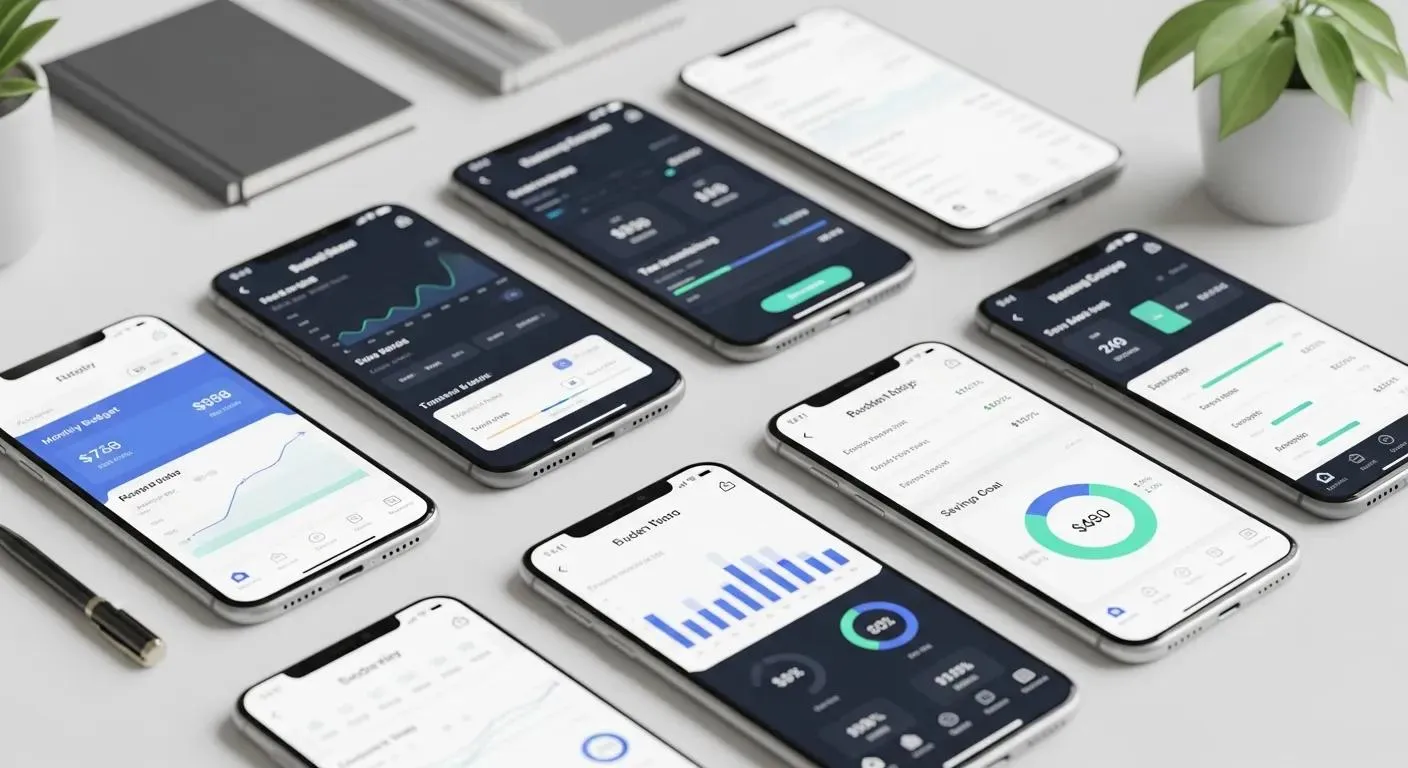
Managing personal finances has become increasingly complex in a digital economy where payments, subscriptions, investments, and expenses occur across multiple platforms. Fortunately, digital budgeting apps have transformed how individuals track spending, plan savings, and achieve financial stability. Instead of relying on spreadsheets or manual calculations, modern financial apps automate budgeting processes and provide real-time insights that help users make smarter money decisions.
Digital budgeting tools are no longer limited to financial experts. Today, students, families, freelancers, and professionals use these applications to simplify financial management and build long-term financial discipline.
Why Budgeting Matters in Modern Personal Finance
Budgeting is the foundation of financial health. Without understanding where money goes each month, it becomes difficult to save, invest, or avoid debt. Many financial problems arise not from insufficient income but from lack of visibility and planning.
A structured budget helps individuals:
- Control daily spending
- Reduce unnecessary expenses
- Prepare for emergencies
- Achieve savings goals
- Avoid credit dependency
- Improve long-term wealth building
Digital budgeting apps simplify this process by automatically organizing financial data and presenting it in clear visual formats.
How Digital Budgeting Apps Work
Most budgeting applications connect securely to bank accounts, credit cards, and payment platforms. Once connected, transactions are automatically imported and categorized into spending groups such as housing, transportation, food, entertainment, and savings.
Key features typically include:
- Automatic expense tracking
- Real-time balance updates
- Spending alerts and notifications
- Goal-setting tools
- Bill reminders
- Financial reports and analytics
Automation removes much of the manual effort traditionally associated with budgeting, making consistency easier for users.
Core Benefits of Using Budgeting Apps
1. Real-Time Financial Awareness
One of the biggest advantages of digital budgeting tools is instant financial visibility. Users can immediately see how much they have spent and how much remains available within their budget.
This awareness helps prevent overspending before financial problems occur.
2. Improved Spending Habits
Budgeting apps often highlight spending patterns that users may not notice independently. Small recurring expenses — such as subscriptions or frequent online purchases — become easier to identify and control.
Behavioral insights encourage more intentional financial decisions.
3. Automated Savings Support
Many apps allow users to set savings goals for emergencies, travel, education, or major purchases. Some platforms even automate transfers into savings accounts based on spending behavior or income schedules.
Automation reduces the temptation to spend money intended for future goals.
4. Debt Reduction Assistance
Budgeting platforms can track loan balances and credit card payments, helping users prioritize debt repayment strategies. Visual progress tracking motivates users to stay consistent with repayment plans.
Popular Types of Digital Budgeting Apps
Different budgeting apps serve different financial needs. Understanding these categories helps users choose the right solution.
Zero-Based Budgeting Apps
These apps assign every dollar of income a specific purpose — expenses, savings, or investments — ensuring that income minus expenses equals zero.
This method works well for individuals who want strict control over spending.
Expense Tracking Apps
Expense trackers focus primarily on monitoring spending habits rather than enforcing rigid budgets. They are ideal for beginners who want awareness before implementing structured financial plans.
Automated Financial Management Apps
Some platforms combine budgeting, savings automation, investment tracking, and financial insights into a single ecosystem. These apps act almost like digital financial assistants.
Key Features to Look for in a Budgeting App
Not all budgeting applications offer the same value. Choosing the right one depends on financial goals and lifestyle.
Important features include:
Security and Data Protection
Financial apps should use encryption, multi-factor authentication, and secure banking integrations.
Customizable Budget Categories
Users benefit from adjusting categories to match personal spending habits.
Goal Tracking Tools
Savings and financial milestone tracking increase motivation.
Cross-Device Access
Mobile and desktop synchronization allows users to manage finances anywhere.
Subscription Monitoring
Automatic detection of recurring payments helps eliminate unused services.
Financial Insights and Reports
Clear charts and analytics simplify financial decision-making.
Budgeting Apps for Families and Shared Finances
Households with shared expenses often face budgeting challenges due to multiple income sources and spending behaviors. Many modern apps allow joint accounts where partners or family members can monitor finances collaboratively.
Shared budgeting tools help families:
- Coordinate bill payments
- Track household expenses
- Plan vacations or education savings
- Reduce financial misunderstandings
Transparency improves financial communication and long-term planning.
Budgeting for Freelancers and Variable Income Earners
Freelancers and self-employed professionals face irregular income patterns, making budgeting more difficult than traditional salaried employment.
Digital budgeting apps assist by:
- Averaging income across months
- Forecasting future cash flow
- Separating business and personal expenses
- Planning tax reserves
These tools help stabilize finances even when income fluctuates significantly.
Behavioral Psychology and Digital Budgeting
Modern budgeting apps incorporate behavioral finance principles to encourage positive habits. Features such as progress bars, achievement milestones, and spending alerts influence decision-making in subtle but effective ways.
For example:
- Notifications warn users when spending limits approach.
- Visual savings progress increases motivation.
- Weekly summaries reinforce accountability.
These psychological elements transform budgeting from a restrictive task into an empowering financial activity.
Common Mistakes When Using Budgeting Apps
While budgeting apps are powerful tools, users sometimes fail to achieve results due to improper usage.
Common mistakes include:
- Ignoring regular app updates
- Setting unrealistic budgets
- Failing to review financial reports
- Connecting accounts but not analyzing behavior
- Overcomplicating categories
Consistency matters more than perfection. Even simple budgeting habits can produce meaningful financial improvements over time.
The Role of Artificial Intelligence in Budgeting Apps
Artificial intelligence is rapidly improving personal finance applications. Advanced apps can now analyze spending trends, predict upcoming expenses, and recommend personalized financial actions.
AI-powered budgeting tools may:
- Detect unusual spending patterns
- Suggest cost-cutting opportunities
- Forecast account balances
- Optimize savings strategies
As financial technology evolves, budgeting apps are becoming smarter and more proactive financial advisors.
Privacy and Security Considerations
Because budgeting apps access sensitive financial information, security remains a critical concern. Users should select reputable platforms that follow strong privacy standards.
Best practices include:
- Using strong passwords
- Enabling two-factor authentication
- Reviewing app permissions
- Regularly monitoring connected accounts
Responsible usage ensures both convenience and financial safety.
Long-Term Impact on Financial Success
Individuals who consistently track their finances are significantly more likely to achieve financial goals. Digital budgeting apps create structure, accountability, and awareness — three essential components of long-term financial success.
Over time, users often experience:
- Increased savings rates
- Reduced financial stress
- Better investment readiness
- Improved credit management
- Greater financial confidence
Budgeting becomes less about restriction and more about aligning spending with personal priorities.
Conclusion
Digital budgeting apps have revolutionized personal finance management by making budgeting accessible, automated, and data-driven. In an era where financial transactions happen instantly and across multiple platforms, these tools provide clarity and control that traditional methods often lack.
Whether someone is beginning their financial journey, managing family expenses, or working with variable income, budgeting applications offer practical solutions that simplify money management. By combining automation, behavioral insights, and financial analytics, digital budgeting apps empower individuals to make informed decisions, reduce debt, and build sustainable wealth over time.
As technology continues to evolve, digital budgeting tools will play an even greater role in helping people achieve financial stability and long-term financial independence.