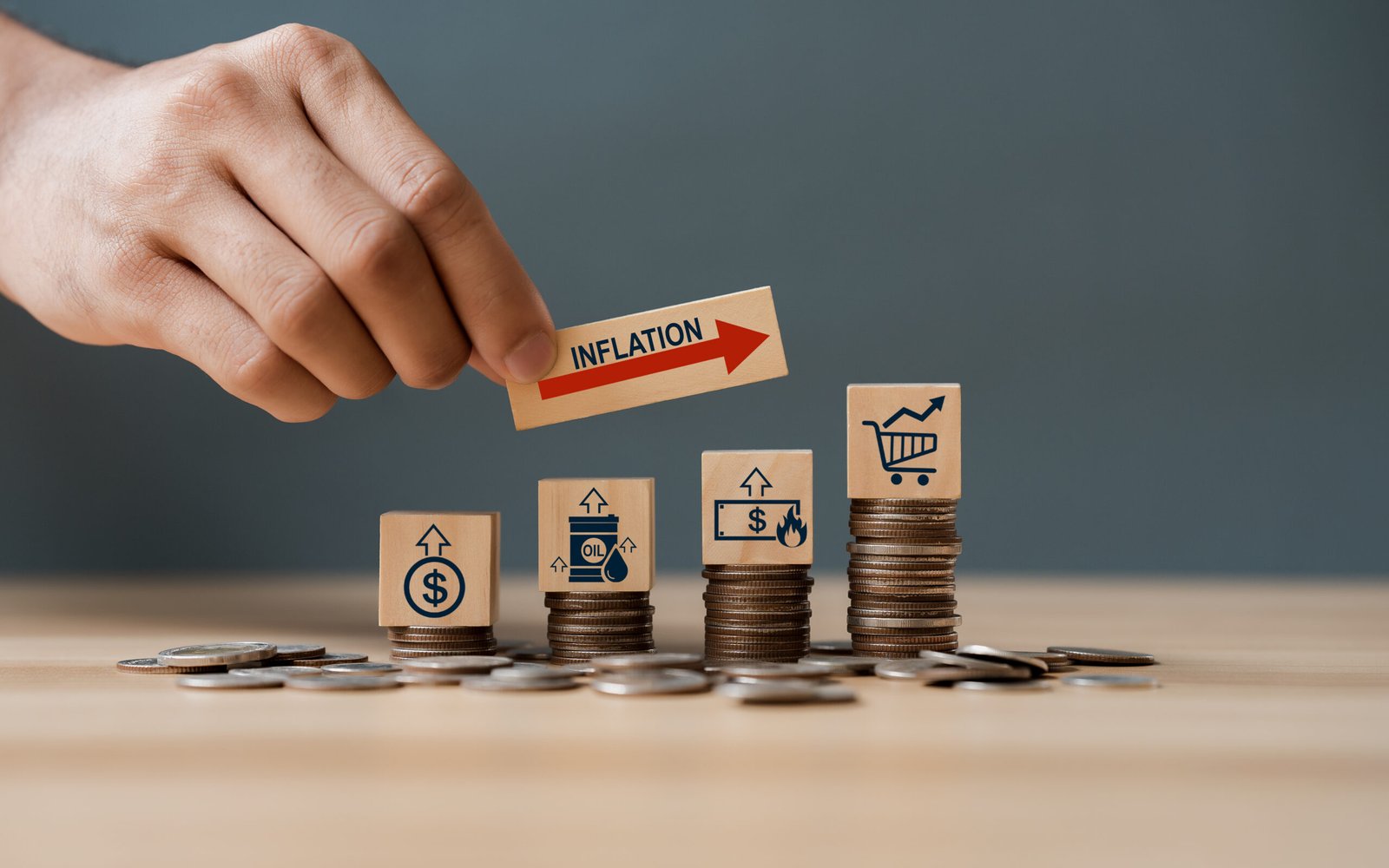
Inflation has become one of the most important economic topics in recent years. After a long period of relatively low inflation, many countries experienced a sharp increase in prices due to global disruptions, economic recovery after the pandemic, and changes in supply and demand. Inflation affects everyone, from consumers and businesses to governments and investors. Understanding inflation trends and how monetary policy responds to them is essential for analyzing the modern economy.
Causes of Recent Inflation
Several factors contributed to rising inflation across the world. One of the main causes was the disruption of supply chains. During the pandemic, factories shut down, transportation slowed, and production decreased. When economies reopened, demand increased faster than supply, causing prices to rise.
Another important factor was government stimulus. Many governments provided financial support to households and businesses to protect the economy. While this support helped prevent economic collapse, it also increased spending power, which contributed to higher demand and rising prices.
Energy prices also played a significant role. Oil, gas, and electricity costs increased due to geopolitical tensions, production limits, and rising global demand. Since energy is essential for transportation and manufacturing, higher energy costs affected many industries.
Impact on Consumers and Businesses
Inflation directly affects consumers by reducing purchasing power. When prices rise faster than income, people can afford fewer goods and services. This creates financial pressure, especially for lower-income households.
Businesses also face challenges during inflation. Rising costs for raw materials, labor, and transportation reduce profit margins. Companies must decide whether to increase prices, reduce costs, or accept lower profits. Each option has consequences for competitiveness and long-term growth.
Inflation also creates uncertainty. When businesses cannot predict future costs, they may delay investment decisions. This can slow economic growth.
Role of Central Banks
Central banks play a key role in controlling inflation. Their main tool is monetary policy, especially interest rates. When inflation rises too quickly, central banks increase interest rates. Higher interest rates make borrowing more expensive, which reduces spending and slows inflation.
For example, higher interest rates affect mortgages, business loans, and credit cards. When borrowing becomes more expensive, consumers and businesses reduce spending. This lowers demand and helps stabilize prices.
However, raising interest rates also has risks. It can slow economic growth and increase unemployment. Central banks must balance controlling inflation with maintaining economic stability.
Inflation and Financial Markets
Inflation has a strong impact on financial markets. Stock markets often react negatively to high inflation and rising interest rates because borrowing costs increase and company profits may decrease.
Bond markets are also affected. When interest rates rise, bond prices usually fall. Investors demand higher returns to compensate for inflation and risk.
Some assets perform better during inflation. Commodities such as gold, oil, and agricultural products often increase in value. Real estate can also provide protection against inflation because property values and rental income may rise.
Global Differences in Inflation
Inflation does not affect all countries equally. Developed economies and emerging economies face different challenges. Emerging markets often experience higher inflation due to weaker currencies, higher import costs, and less stable financial systems.
Exchange rates also play a role. When a country’s currency weakens, imports become more expensive, increasing inflation. This is especially important for countries that depend on imported goods and energy.
Future Outlook
Many economists believe inflation will eventually stabilize, but it may remain higher than in previous decades. Structural changes such as supply chain adjustments, demographic shifts, and energy transitions will influence future inflation trends.
Technology may help reduce inflation by improving efficiency and reducing costs. Automation, artificial intelligence, and digital platforms can increase productivity and lower production expenses.
However, global uncertainty, geopolitical conflicts, and climate-related disruptions may continue to create inflation risks.
Conclusion
Inflation is a complex and powerful force in the global economy. It affects consumers, businesses, and financial markets. Central banks play a critical role in managing inflation through interest rates and monetary policy. Understanding inflation trends helps individuals, businesses, and investors make better financial decisions. As the global economy evolves, managing inflation will remain one of the most important challenges for economic stability and growth.