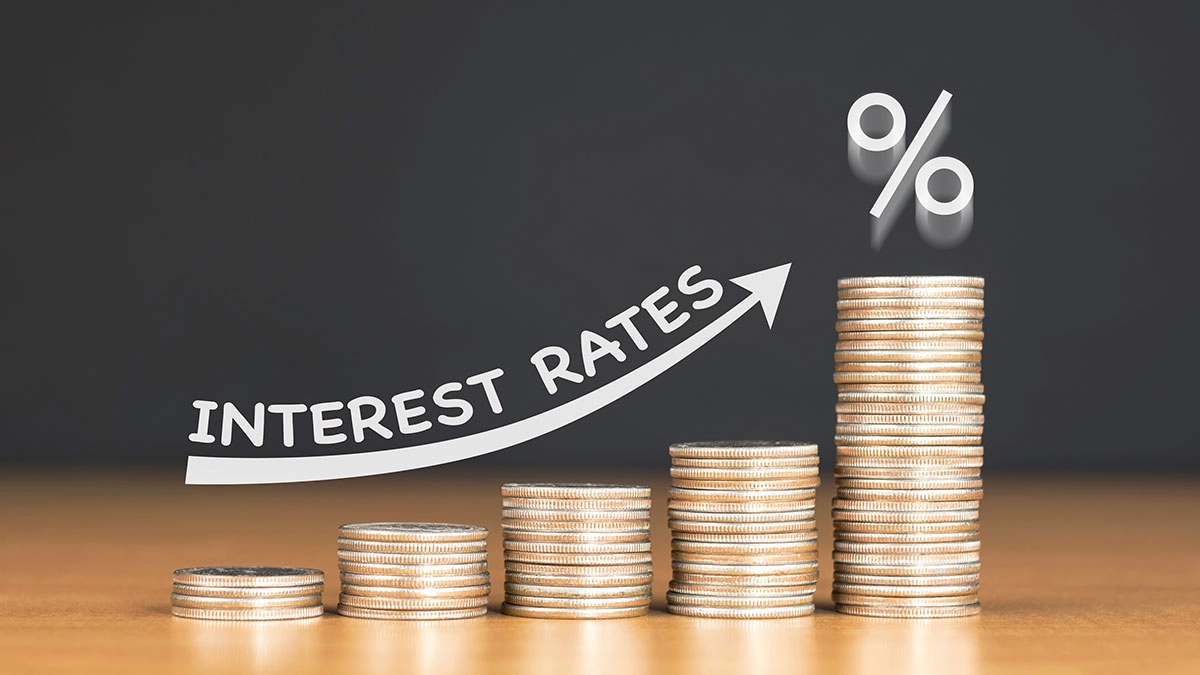
Interest rates play a critical role in the world of credit and loans. Whether you’re applying for a mortgage, personal loan, auto loan, or using a credit card, the interest rate determines how much you will ultimately pay in addition to the amount you borrow. Understanding how interest rates work can help you make smarter financial decisions and save thousands of dollars over time.
At its core, an interest rate is the cost of borrowing money. When a lender provides you with funds, they charge interest as compensation for the risk they take and the opportunity cost of lending that money. Interest rates are typically expressed as an annual percentage rate (APR), which includes both the interest and, in some cases, additional fees.
There are two main types of interest rates: fixed and variable. A fixed interest rate remains the same throughout the life of the loan. This means your monthly payments stay consistent, making budgeting easier. Variable interest rates, on the other hand, can change over time depending on market conditions. While they may start lower than fixed rates, they carry the risk of increasing later.
Interest rates are heavily influenced by economic factors. Central banks, such as the Federal Reserve, adjust benchmark rates to control inflation and stabilize the economy. When benchmark rates rise, borrowing becomes more expensive. When they fall, loans generally become cheaper. This is why mortgage and personal loan rates fluctuate over time.
Your personal financial profile also affects the interest rate you receive. Lenders evaluate your credit score, income, debt-to-income ratio, and credit history to determine your level of risk. Borrowers with high credit scores typically qualify for lower interest rates because they are considered more reliable.
Even small differences in interest rates can have a major impact. For example, a 1% difference on a long-term mortgage can result in paying tens of thousands of dollars more over the life of the loan. That’s why comparing offers from multiple lenders is essential.
Compound interest is another important concept. With simple interest, you pay interest only on the principal amount. With compound interest, interest is calculated on both the principal and previously accumulated interest. Credit cards often use compound interest, which can cause balances to grow quickly if not paid off in full.
High interest rates can strain your finances, especially if you carry debt for long periods. Minimum payments on credit cards may seem manageable, but much of that payment may go toward interest rather than reducing the principal. This extends the repayment period and increases total cost.
To protect your finances, focus on improving your credit score, reducing outstanding debt, and shopping around for competitive rates. If rates drop significantly, refinancing may also be an option to lower your payments.
Understanding how interest rates function empowers you to borrow wisely, manage debt efficiently, and avoid unnecessary financial stress.