Improving your credit score is one of the best ways to strengthen your financial position. A higher credit score opens doors to better loan opportunities, lower interest rates, and greater financial flexibility.
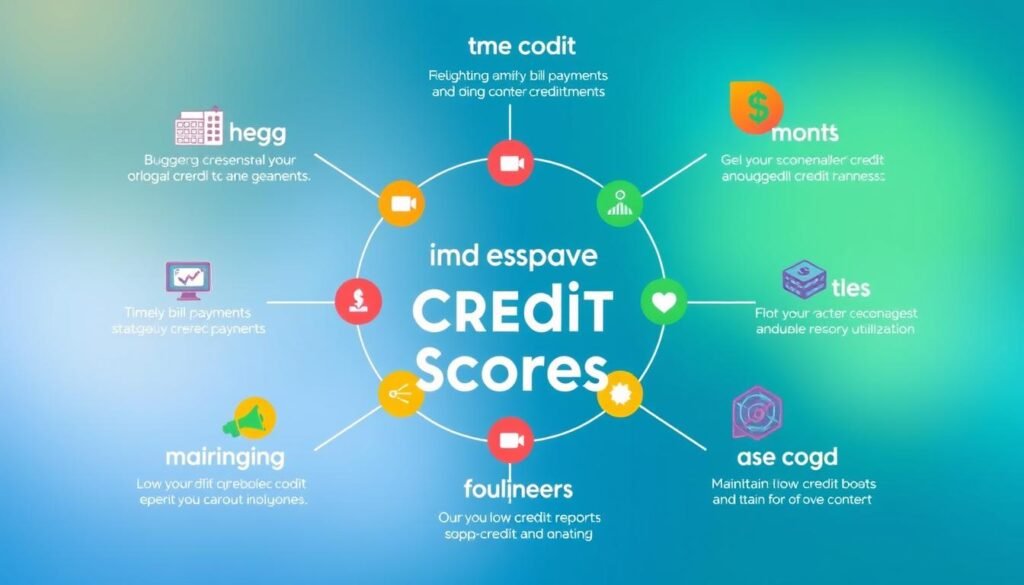
The first and most important step in improving your credit score is paying all bills on time. Payment history is the largest factor affecting your score. Even one late payment can significantly lower your score, so consistency is essential.
Setting up automatic payments can help ensure you never miss a due date. This simple strategy protects your score and builds a positive payment record.
Another important step is reducing your credit utilization. This means lowering the amount of credit you are using compared to your credit limit. For example, if you have a $5,000 credit limit, try to keep your balance below $1,500.
Paying down existing debt is one of the fastest ways to improve your score. Focus on paying off high‑interest balances first, while continuing to make minimum payments on other accounts.
Avoid closing old credit accounts unnecessarily. Older accounts help increase the length of your credit history, which positively affects your score.
Limit new credit applications. Each application creates a hard inquiry on your credit report, which can lower your score temporarily. Apply for credit only when necessary.
Check your credit report regularly for errors. Incorrect information can harm your score. If you find errors, report them to the credit bureau immediately.
Using credit responsibly over time is the key to long‑term improvement. Keep balances low, pay on time, and maintain consistent financial habits.
Patience is essential because credit improvement takes time. However, consistent positive behavior produces reliable results.
A strong credit score provides financial freedom and access to better opportunities. By following these strategies, you can steadily improve your credit profile.