Global supply chains are undergoing major changes. For decades, businesses focused on efficiency and low costs by producing goods in different countries. However, recent disruptions have exposed weaknesses in global supply chains. Companies and governments are now rethinking how goods are produced and distributed. These changes are reshaping global trade and economic relationships.
Causes of Supply Chain Disruptions
Several events disrupted supply chains. The pandemic caused factory shutdowns, transportation delays, and shortages of raw materials. This exposed the risks of relying on a limited number of suppliers.
Geopolitical tensions also affected trade. Trade conflicts and sanctions disrupted international business relationships.
Natural disasters and climate-related events have also impacted production and transportation.
These disruptions showed that efficiency alone is not enough. Supply chains must also be resilient.
Shift Toward Diversification
Businesses are diversifying supply chains to reduce risk. Instead of relying on one country or supplier, companies are using multiple sources.
This strategy improves stability. If one supplier is disrupted, others can continue production.
Regional supply chains are also becoming more important. Companies are producing goods closer to their main markets.
Reshoring and Nearshoring
Reshoring refers to bringing production back to a company’s home country. Nearshoring involves moving production to nearby countries.
These strategies reduce transportation risks and improve supply chain control.
While production costs may be higher, companies benefit from greater reliability and faster delivery times.
Governments are supporting reshoring to strengthen national industries and reduce dependence on foreign suppliers.
Impact on Global Trade
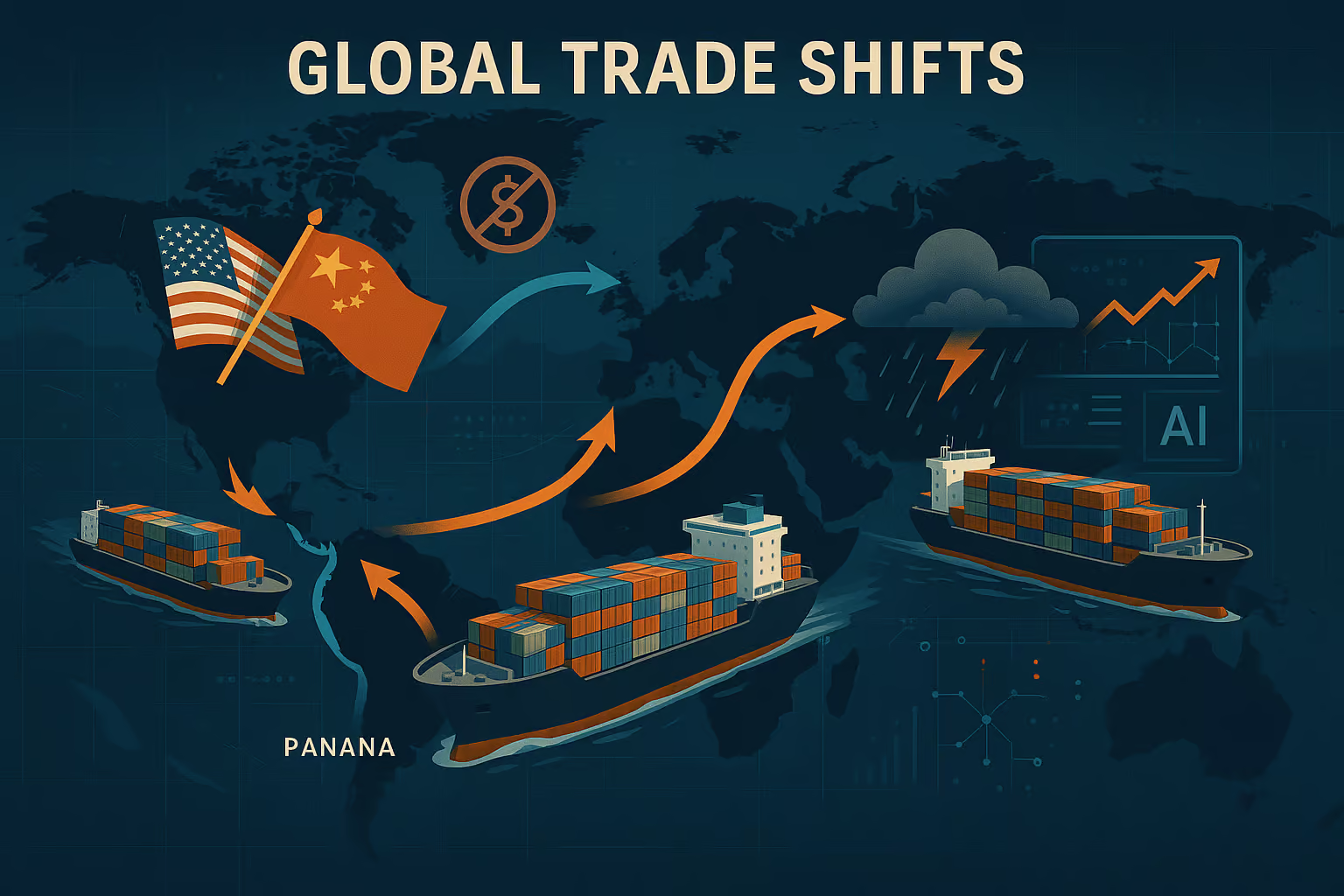
Supply chain changes are reshaping global trade patterns. Some countries may lose manufacturing dominance, while others gain new opportunities.
Trade relationships are becoming more regional. Countries are strengthening trade partnerships with nearby nations.
This may reduce globalization but increase regional economic integration.
Role of Technology
Technology is improving supply chain management. Artificial intelligence and data analytics help companies predict demand and manage inventory.
Automation reduces dependence on manual labor and increases efficiency.
Digital tracking systems improve transparency and reduce delays.
Technology allows companies to build smarter and more resilient supply chains.
Impact on Businesses and Consumers
Businesses must adapt to changing supply chains. They may face higher production costs but benefit from greater stability.
Consumers may experience higher prices due to increased production costs. However, supply reliability may improve.
Supply chain resilience is becoming more important than minimizing costs.
Future Outlook
Supply chains will continue evolving. Companies will balance efficiency, cost, and resilience.
Technology will play a major role in improving supply chain management.
Global trade will remain important, but supply chains may become more diversified and regional.
Conclusion
Global supply chains are undergoing significant transformation. Businesses and governments are focusing on resilience, diversification, and regional production. These changes will reshape global trade and economic relationships. Understanding supply chain trends is essential for analyzing the future of the global economy.