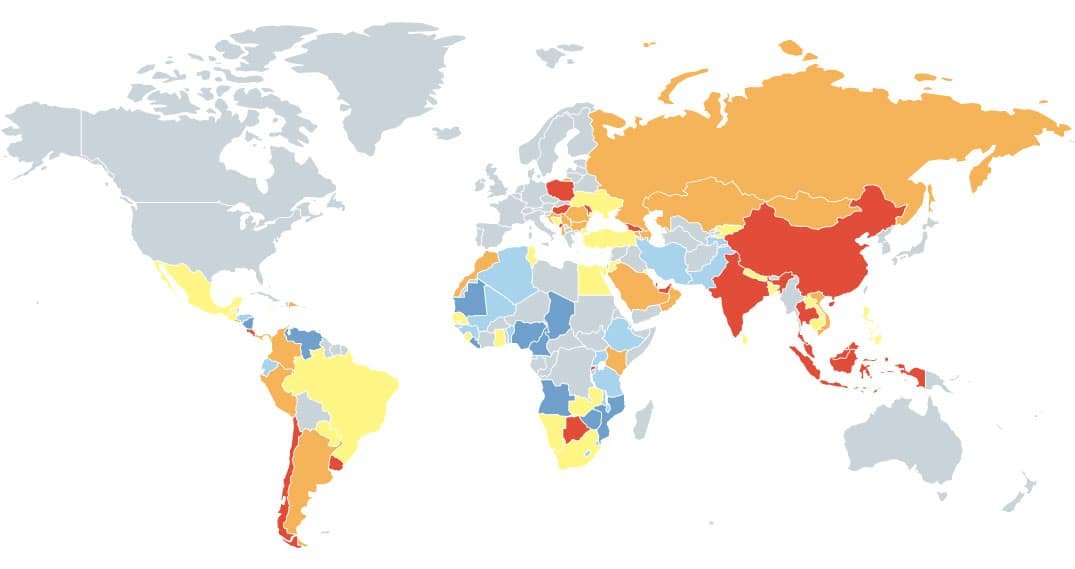
Over the past few decades, emerging markets have transformed from peripheral players into central drivers of global economic growth. Once characterized primarily by developing infrastructure and limited industrial capacity, many of these economies now play a critical role in global trade, investment flows, manufacturing, technology, and consumption.
The rise of emerging markets has reshaped international business strategies, global supply chains, and investment opportunities—making them indispensable to the modern global economy.
What Are Emerging Markets?
Emerging markets are countries experiencing rapid economic growth, industrialization, and integration into the global financial system. While they may still face structural challenges—such as income inequality, regulatory instability, or political risk—they often exhibit:
- High GDP growth rates
- Expanding middle classes
- Increasing foreign investment
- Industrial and technological development
- Growing domestic consumption
Prominent examples include China, India, Brazil, Mexico, and Indonesia.
Key Drivers of Emerging Market Growth
1. Demographic Advantages
Many emerging economies benefit from younger populations compared to developed nations. A growing working-age population supports:
- Expanding labor markets
- Increased productivity
- Rising consumer demand
Demographic momentum often fuels long-term economic expansion.
2. Rapid Urbanization
Urbanization has accelerated across emerging markets, leading to:
- Infrastructure development
- Real estate expansion
- Industrial concentration
- Improved access to education and healthcare
Cities become hubs of innovation, entrepreneurship, and economic diversification.
3. Industrialization and Manufacturing Expansion
Emerging markets have become key participants in global supply chains. Countries like Vietnam and Bangladesh have expanded manufacturing exports, particularly in textiles, electronics, and consumer goods.
Lower labor costs and improving infrastructure have attracted multinational corporations seeking competitive production environments.
4. Growth of the Middle Class
Rising incomes in emerging markets have created expanding middle classes with increased purchasing power. This shift drives demand for:
- Consumer goods
- Financial services
- Technology
- Healthcare
- Education
Domestic consumption is becoming a major engine of economic growth.
5. Technological Leapfrogging
Unlike developed markets that evolved gradually, many emerging economies have adopted advanced technologies rapidly—often bypassing traditional stages of development.
For example:
- Mobile banking adoption has surged in regions with limited traditional banking infrastructure.
- Digital commerce platforms have expanded access to global markets.
Technology enables faster integration into the global economy.
The Role of Emerging Markets in Global Trade
Emerging markets now account for a significant share of global GDP and trade flows. World Trade Organization data shows increasing participation of developing economies in exports and imports.
Key contributions include:
- Manufacturing exports
- Commodity production (energy, agriculture, metals)
- Growing consumer markets
- Regional trade agreements
The shift toward multipolar trade networks reflects the growing influence of these economies.
Investment Opportunities and Risks
Opportunities
Investors are drawn to emerging markets due to:
- Higher growth potential
- Expanding consumer sectors
- Infrastructure development
- Undervalued asset markets
Investment vehicles such as emerging market index funds track benchmarks like the MSCI Emerging Markets Index, providing diversified exposure.
Risks
Despite growth prospects, emerging markets carry unique risks:
- Political instability
- Currency volatility
- Regulatory uncertainty
- Commodity price dependence
- Governance challenges
Investors must balance growth potential with risk management strategies.
Challenges Facing Emerging Economies
While progress has been substantial, emerging markets continue to face structural challenges:
- Income inequality
- Infrastructure gaps
- Environmental sustainability concerns
- External debt exposure
- Global supply chain disruptions
Addressing these issues is critical for sustained and inclusive growth.
The Future of Emerging Markets
The continued rise of emerging markets is likely to reshape global economic leadership. As developed economies experience slower demographic growth and mature markets, emerging economies may contribute a growing share of global GDP expansion.
Trends shaping the future include:
- Green energy transitions
- Digital transformation
- Regional economic integration
- Innovation-driven growth
- Financial inclusion initiatives
The global economy is becoming increasingly interconnected and less centered on a small group of developed nations.
Conclusion
The rise of emerging markets represents one of the most significant shifts in the modern global economy. Driven by demographic strength, urbanization, industrialization, and technological adoption, these economies are reshaping global trade, investment, and consumption patterns.